
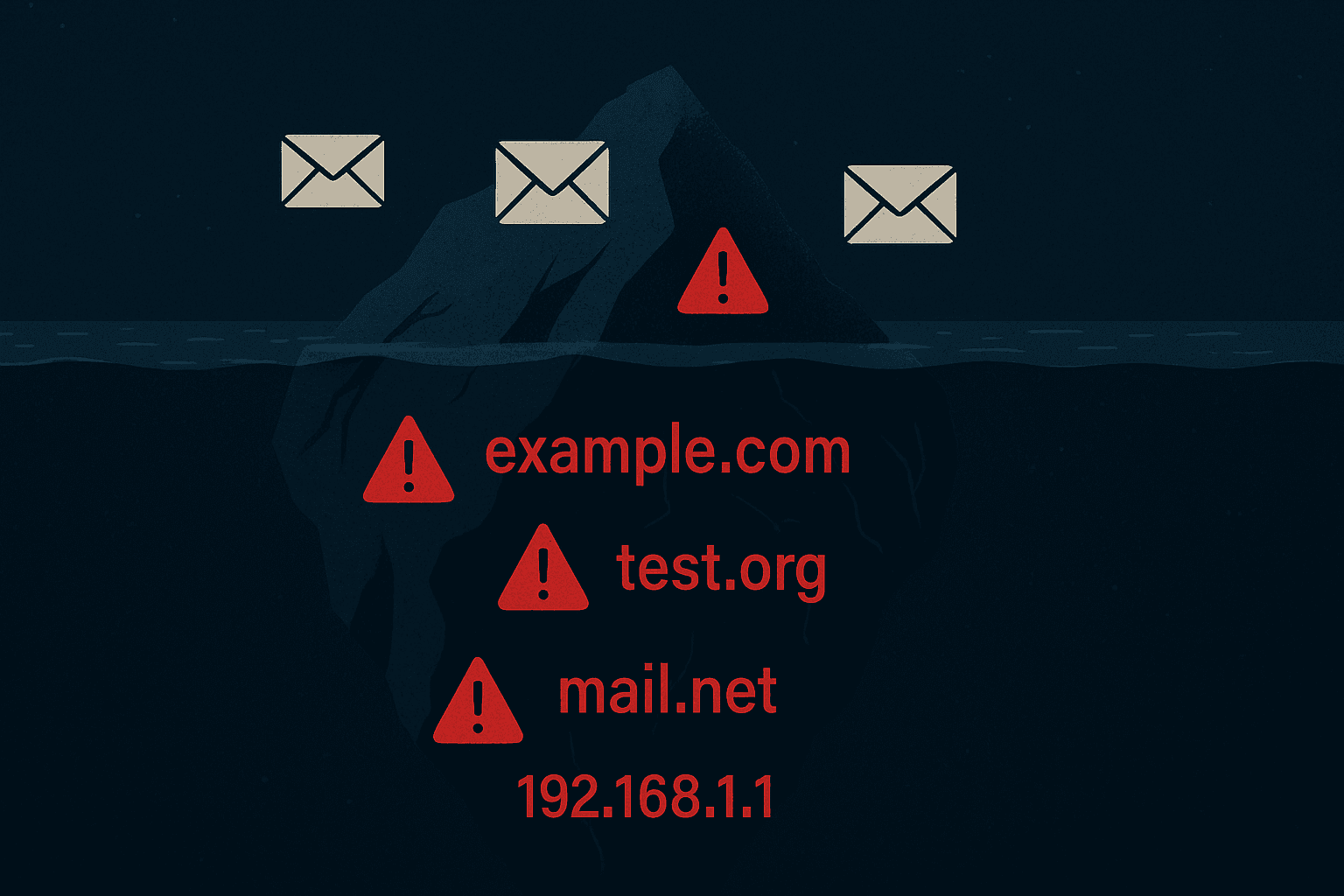
You've crafted the perfect cold email. Your subject line is compelling, your value proposition is clear, and your call-to-action is irresistible. But your email might never reach your prospect's inbox.
Why? Because you could be on a blocklist you don't even know exists.
The Invisible Wall Between You and Your Prospects
Most cold emailers obsess over open rates and reply rates, but they're missing the most critical metric: inbox placement rate. If your emails aren't reaching the inbox, nothing else matters.
The truth is, there's an entire ecosystem of blocklists operated by organizations that have one mission: stop unsolicited bulk email. And here's the kicker – they consider most cold email campaigns to be exactly that.
The Big Three Blocklists You Must Monitor
1. The Policy Blocklist (PBL) - The Silent Killer
The PBL isn't about "bad" IPs – it's about IPs that shouldn't be sending email directly. This includes:
- Residential IP addresses
- Dynamic IPs from ISPs
- Cloud computing instances not designated for email
Why this matters: If you're sending from a cheap VPS or your home internet connection, you're likely already on the PBL. Billions of IP addresses are listed here, and many cold emailers have no idea.
2. The Exploits Blocklist (XBL) - The Infection Detector
The XBL lists IPs showing signs of compromise or infection. This includes:
- Devices infected with malware
- Compromised servers
- IPs exhibiting bot-like behavior
Critical insight: Even if your device is clean, sharing an IP range with infected devices can impact your reputation. This is especially common with shared hosting and budget email services.
3. Domain Blocklists - The Reputation Destroyers
Domain blocklists track domains used in spam campaigns. Once listed, your domain reputation plummets across all major email providers. These lists include:
- Newly registered domains with suspicious patterns
- Domains linked to spam campaigns
- Domains with poor email authentication
The Hidden Patterns That Trigger Blocklisting
Based on industry observations and anti-spam practices, certain patterns commonly trigger listings:
Volume Velocity Violations
Sending too many emails too quickly from a new domain or IP is one of the fastest ways to get blocklisted. Some blocklists may flag domains sending high volumes immediately after registration.
Authentication Failures
Missing or misconfigured SPF, DKIM, and DMARC records don't just hurt deliverability – they're red flags for blocklist operators. Domains without proper authentication are significantly more likely to face deliverability issues.
The Cousin Domain Trap
Using multiple similar domains (yourcompany1.com, yourcompany2.com, etc.) to evade filters? Blocklist operators call these "cousin domains" and actively hunt for them. This practice is a common cause of domain blocklisting.
How to Check Your Blocklist Status (Before It's Too Late)
Stop guessing about your deliverability. Here's exactly how to check if you're blocklisted:
Step 1: Check Your IP Reputation
Use our Free IP Reputation Checker to instantly verify your sending IP against major blocklists. This tool checks:
- Policy Blocklist (PBL) status
- Exploits Blocklist (XBL) status
- Combined reputation score
- Specific issues affecting your IP
Step 2: Verify Domain Reputation
Your domain reputation is equally critical. Our Domain Reputation Tool provides:
- Real-time blocklist status across 15+ major lists
- Historical reputation trends
- Specific recommendations for improvement
- Competitor domain analysis
Step 3: Validate Your Email Authentication
Poor authentication is a blocklist magnet. Use our DNS Validation Tool to verify:
- SPF record configuration
- DKIM selector validation
- DMARC policy effectiveness
- MX record optimization
The Recovery Roadmap: Getting Off Blocklists
If you discover you're blocklisted, don't panic. Here's your action plan:
For IP Blocklisting:
- Identify the root cause - Check for malware, compromised accounts, or policy violations
- Fix the issue - Remove malware, secure accounts, adjust sending practices
- Request delisting - Follow each blocklist's specific delisting procedure
- Monitor continuously - Set up alerts for future listings
For Domain Blocklisting:
- Audit your email practices - Review volume, content, and targeting
- Implement authentication - Ensure SPF, DKIM, and DMARC are properly configured
- Build reputation gradually - Start with low volumes to engaged recipients
- Consider domain warming - Use our proven 30-day warming schedule
The Professional's Approach to Blocklist Prevention
The best cold emailers don't wait for blocklisting – they prevent it. Here's how:
1. Pre-Campaign Validation
Before launching any campaign, run a complete audit:
- Check all sending IPs against major blocklists
- Verify domain reputation scores
- Validate email authentication records
- Test with seed addresses across major providers
Pro tip: Use our Comprehensive Blacklist Checker to scan your entire infrastructure in one click.
2. Implement Graduated Sending
Start small and scale gradually:
- Day 1-7: 10-20 emails/day
- Day 8-14: 20-50 emails/day
- Day 15-21: 50-100 emails/day
- Day 22-30: 100-200 emails/day
This graduated approach helps build reputation gradually and may improve deliverability.
3. Monitor Key Indicators
Watch for early warning signs:
- Sudden drops in open rates
- Increased bounce rates
- Spam complaints
- Engagement decline (click rates falling)
The Cost of Ignoring Blocklists
Being blocklisted can significantly impact your business. If your emails aren't reaching inboxes, you're losing potential leads and revenue opportunities. The cumulative effect of poor deliverability can severely impact your sales pipeline and business growth.
Your Next Steps
Don't let invisible blocklists destroy your cold email campaigns. Take action now:
- Run a complete blocklist audit using our Free Domain Reputation Tool
- Fix any authentication issues with our DNS Validation Tool
- Monitor your reputation weekly to catch issues before they impact deliverability
Remember: In cold email, you're guilty until proven innocent. Every email provider assumes you're a spammer until your reputation proves otherwise.
Advanced Blocklist Intelligence
For serious cold emailers, understanding blocklist behavior patterns is crucial:
Detection Windows
Many blocklists operate on detection windows. If suspicious activity is detected, there may be a period before full propagation across their network. Acting quickly to identify and fix issues is crucial.
The Neighborhood Effect
Your IP's "neighborhood" matters. Sharing IP ranges with bad actors impacts your reputation even if you follow best practices. This is why dedicated IPs from reputable providers are worth the investment.
Trust Decay
Reputation can decay over time without consistent activity. Extended periods of inactivity may negatively impact your sender reputation. Keep your domains and IPs warm with consistent, quality sending.
Conclusion: Visibility is Your Superpower
The difference between successful cold emailers and those struggling with low open rates? The successful ones monitor their reputation status regularly and take proactive steps to maintain it.
Stop operating in the dark. Use our suite of free deliverability tools to gain complete visibility into your email infrastructure's reputation. Because in cold email, what you don't know will absolutely hurt you.
Ready to check your status? Start with our Domain Reputation Checker – it takes 30 seconds and could save your entire campaign.
Important-emails helps you test deliverability against real enterprise security systems before launching campaigns.